Back to BitJem Learn
Understanding Consensus Mechanisms: PoA and PBFT Explained

consensus mechanisms
1/14/2026, 3:33:06 PM
A simple breakdown of Proof of Authority and Byzantine Fault Tolerance—and why private networks love them.
When people talk about blockchain, they often focus on Proof of Work (PoW) and Proof of Stake (PoS). However, other consensus methods quietly power private and permissioned networks, such as Proof of Authority (PoA) and Practical Byzantine Fault Tolerance (PBFT), which offer speed, reliability, and security without the heavy resource demands.
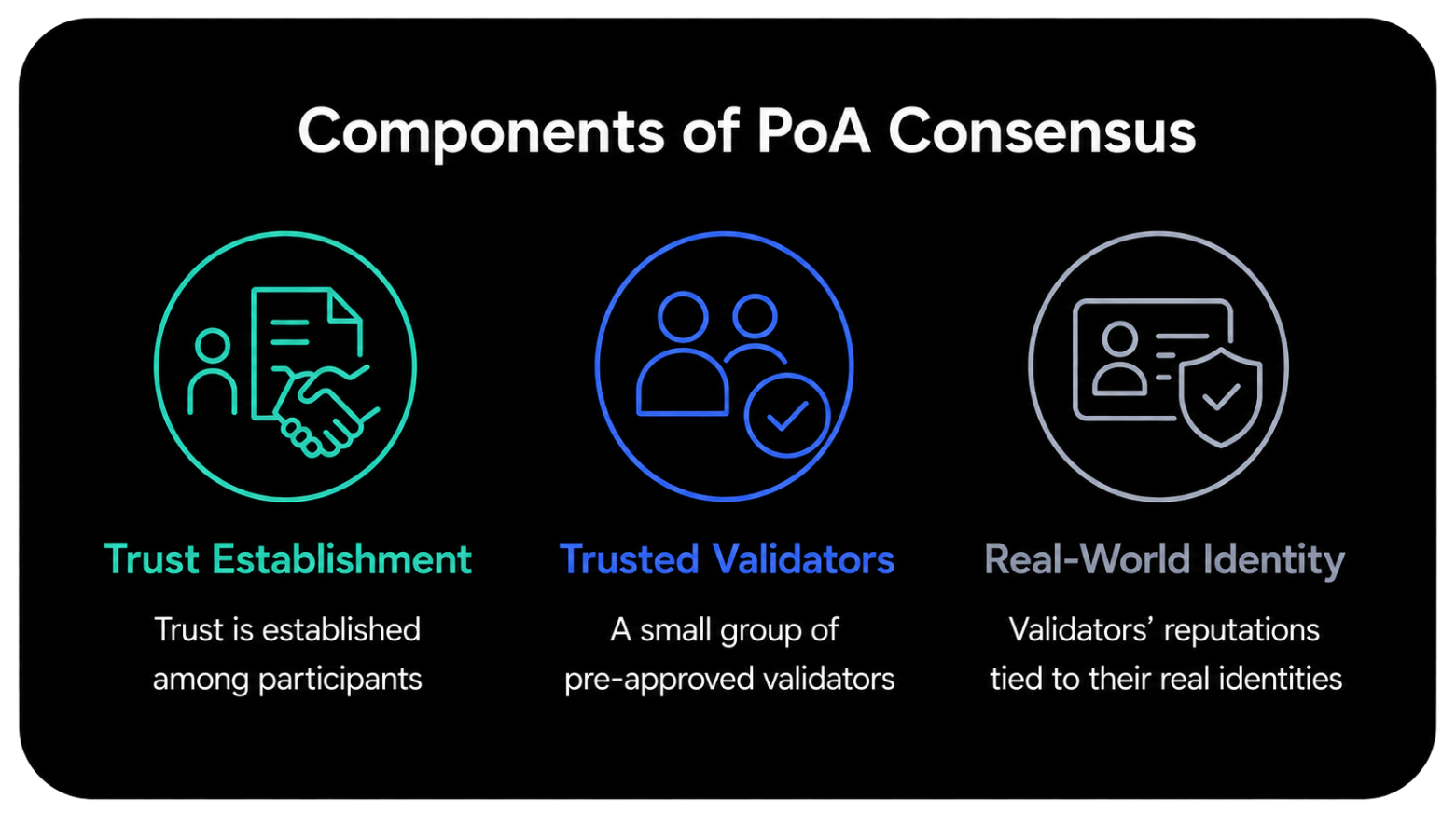
Proof of Authority keeps things simple by relying on a small, trusted group of validators whose identities are validated, trustworthy, and renowned. Instead of solving energy-intensive puzzles or locking up tokens, these validators put their reputations on the line, ensuring that transactions are approved quickly and efficiently. This approach is perfect for networks where participants already trust each other, such as business collaborations or government projects. But because PoA depends heavily on just a few trusted participants, it’s less suited for large, public blockchains where decentralization matters most.
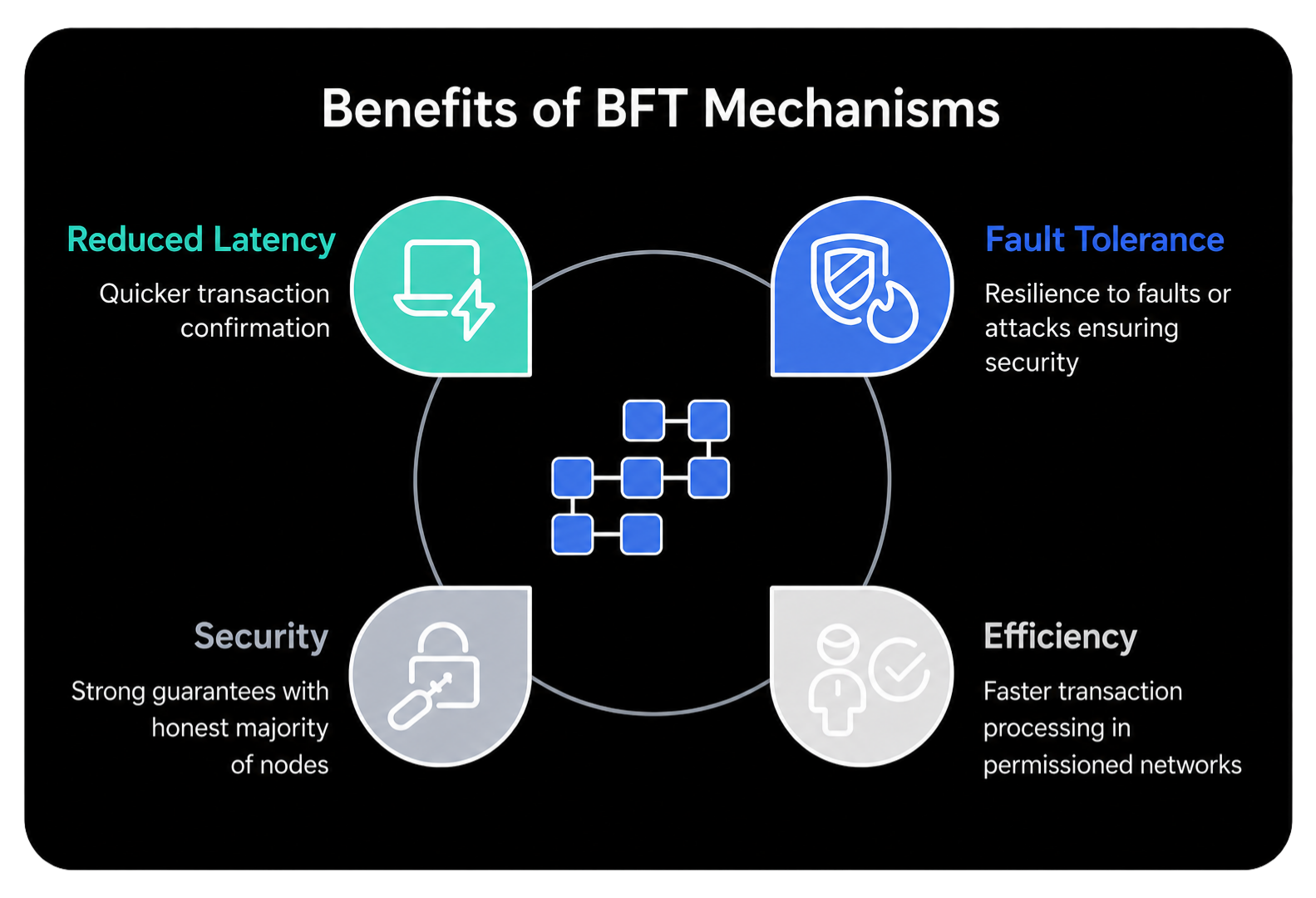
For networks that require robust protection against potential bad actors, Practical Byzantine Fault Tolerance is a reliable choice. It’s designed to solve the Byzantine Generals Problem, ensuring consensus among a group of participants, even if some of them are acting maliciously. PBFT ensures everyone stays honest by having one node suggest transactions, which the others then double-check. Even if some nodes act maliciously or fail, the network can still reliably reach consensus. This security-focused system is favored by private blockchains like Hyperledger, Zilliqa, and Tendermint, thanks to its security and quick confirmations. However, PBFT can become complicated when there are many nodes involved, which is why it's best for smaller, more tightly controlled networks.
Both PoA and PBFT are shining examples of how blockchain technology continues to evolve and adapt to specific needs beyond the public sphere. The choice of the right approach largely depends on the size of your network and the level of trust that already exists among its members. This adaptability of blockchain technology is a testament to its potential and the exciting future it holds.
Buy BitJem From Our Partners